I build at the intersection of food, land, culture, and place.
THE STORY
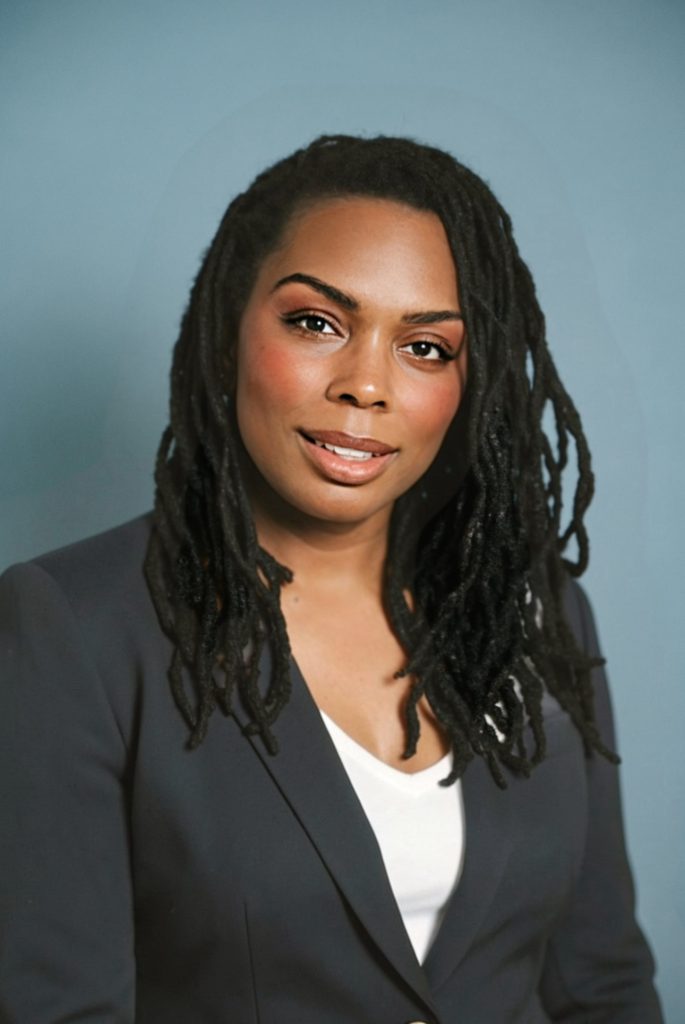
Adrian Lipscombe is a chef, architect, urban planner, researcher, and cultural strategist whose work explores the connections between food, land, culture, and place.
A sixth-generation Central Texan and fourth-generation pitmaster, Adrian's work is grounded in both inherited knowledge and professional practice. Her path has moved through architecture and city planning, restaurants and hospitality, agriculture and land advocacy, research, teaching, and cultural preservation.
What may appear to be different disciplines are, for Adrian, parts of the same story: how people shape places and how places, in turn, shape culture, memory, opportunity, and belonging.
Consectetur adipiscing elit. Etiam id mi faucibus, malesuada quam eget, facilisis turpis. Quisque ac purus erat.
Donec id pharetra tellus, vitae vehicula dolor. Aenean leo lorem, tempor vel mauris in, interdum fringilla erat. Nam auctor sodales dapibus. Ut et nibh sed neque lobortis mollis. Cras mauris tellus, ornare sed vestibulum eu, sagittis vitae justo. Vivamus pellentesque augue in orci commodo dignissim. Fusce id mi lacus.
Nullam ultricies mollis lorem, ac gravida diam pretium eget. Ut porttitor scelerisque lacus, a fringilla felis blandit sed.
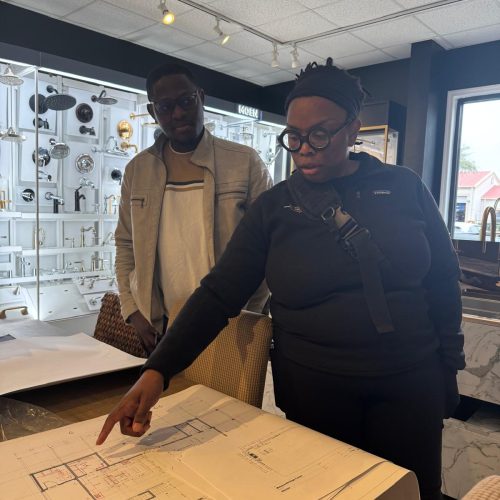
Adrian’s professional foundation began in architecture, urban planning, transportation, and community development. That training taught her to look beyond individual buildings and consider the larger systems connecting people to neighborhoods, infrastructure, land, opportunity, and one another.Architecture gave Adrian a way of understanding how things are built. Planning taught her to ask who they are built for.
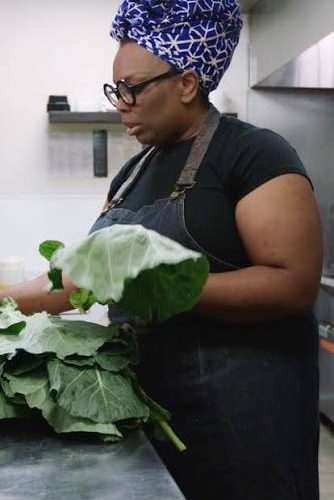
Food had always been part of Adrian’s story, but hospitality revealed something larger: a restaurant could function as more than a place to eat.
Through Uptowne Café & Bakery, Adrian began bringing together food, design, culture, entrepreneurship, and community. The restaurant became a gathering place and a testing ground for an idea that continues to shape her work today—that hospitality can create connection, preserve culture, support local economies, and help build community.
The kitchen wasn’t a departure from architecture and planning. It was another way of practicing them.
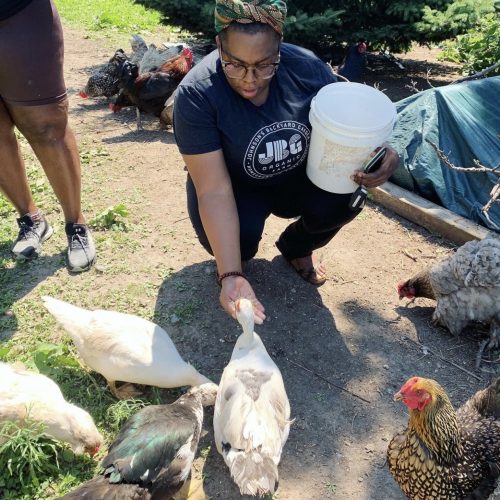
The deeper Adrian moved into food, the further upstream her questions traveled.
Who grows our food? Who owns the land? Whose agricultural knowledge has been preserved—and whose has been overlooked? What happens to food traditions when communities lose access to the land that sustained them?
Those questions helped shape the 40 Acres Project and Adrian’s continuing work around Black agriculture, land ownership, foodways, and cultural preservation.
Food begins long before it reaches the kitchen. It begins with land.
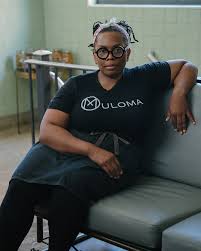
For Adrian, preserving foodways means more than recording recipes or documenting history. Culture remains alive when knowledge continues to be practiced—when seeds are planted, ingredients are grown, food is prepared, stories are shared, and traditions are passed from one generation to the next.
This belief is central to her work with the Muloma Heritage Center, where African Atlantic foodways are explored through agriculture, culinary practice, research, education, and the knowledge held within communities.
Adrian’s work asks us to think about preservation differently: not simply as protecting what came before, but as creating the land, spaces, and opportunities that allow cultural knowledge to continue living, evolving, and being passed forward
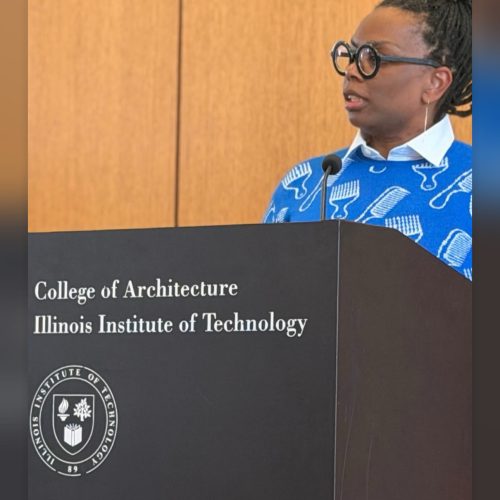
Adrian’s work moves between research and practice, using each to challenge and inform the other. Her background in architecture and urban planning shaped a curiosity about how people experience land, place, community, and change. Her work in food expanded those questions to include culture, agriculture, history, migration, and memory.
Through research, writing, lectures, and hands on teaching, Adrian brings these ideas together and creates opportunities for others to explore them. Her classroom might be a university lecture hall, a kitchen, a farm, a historic site, or gathered around a fire.
For Adrian, teaching is not simply about passing down information. It is about creating space for questions, exchange, and discovery, giving people the tools to carry that knowledge forward in their own work and communities.
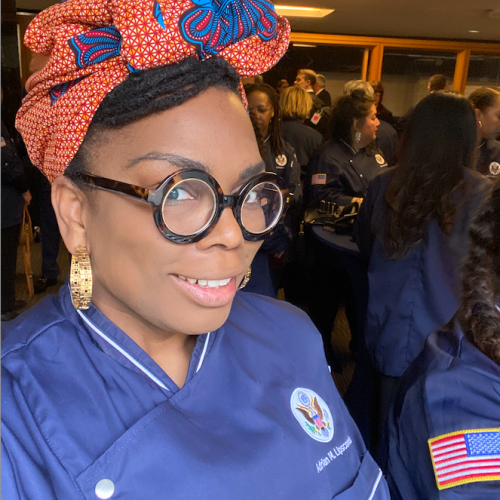
home. Through culinary diplomacy, international residencies, travel, and cultural exchange, she has explored how food connects people across geography, language, history, and tradition.
These experiences have created opportunities to cook alongside chefs, farmers, artisans, and cultural knowledge keepers while learning how ingredients, techniques, agriculture, preservation, and food traditions move between people and places.
Each journey brings new questions and perspectives back to Adrian’s work. Cultural exchange is not simply about sharing what you know. It is about being willing to listen, learn, and understand how someone else’s relationship with food and place can change the way you see your own.
THE PRACTICE
Adrian's work resists the idea that these belong in separate conversations. Food is connected to agriculture. Agriculture is connected to land. Land is shaped by planning and policy. Culture gives those places meaning. And people are at the center of all of it.
Food is architecture.
WHAT GUIDES THE WORK
Honor what came before.
Understand the history, people, land, and knowledge that made the present possible.
01
Build for what comes next.
Preservation isn’t about freezing culture in time. It is about creating the conditions for knowledge to continue evolving.
02
Make room at the table.
The strongest work is built through exchange, across communities, generations, cultures, professions, and disciplines.